


Grooming devices use three main blade materials: carbon steel, stainless steel, and ceramic. Each has different strengths in sharpness, durability, rust resistance, and heat management. The right choice depends on whether you are buying a trimmer, clipper, or hair straightener.
Carbon Steel vs Stainless Steel vs Ceramic: Which Blade Material Is Best?
When you shop for a trimmer or clipper, you compare price, battery life, and attachments. Most buyers skip the blade material. That is a mistake. The blade is the part that touches your hair. It determines how clean the cut is, how long the device stays sharp, and how much maintenance you need to do.
Here is what each material brings to the table.
Carbon Steel Blades
Carbon steel is an alloy of iron and carbon with a higher carbon content than regular steel. This makes it harder and allows it to hold a sharper edge for longer.
Sharpness. Carbon steel blades are the sharpest of the three. They cut through thick, coarse hair without pulling or snagging. Professional barbers prefer carbon steel for this reason.
Edge retention. The hard material holds its edge longer than stainless steel. You can go weeks of daily use before noticing any dullness.
The downside: maintenance. Carbon steel rusts if exposed to moisture. You need to oil the blades after every use and store the device in a dry place. Skip this step and you will see rust spots within weeks, especially in Pakistan’s humid climate.
Example: The Kemei KM-T99 Professional Hair Clipper uses carbon steel blades. It is built for barbers and men who want a precise, clean cut and are willing to maintain the blade.
Who should choose carbon steel?
- Men who cut hair frequently (daily or professional use)
- Anyone who prioritizes sharpness above convenience
- Barbers and salon workers
Stainless Steel Blades
Stainless steel contains chromium, which forms a protective layer against rust and corrosion. It is the most common blade material in consumer grooming products.
Rust resistance. This is the main advantage. Stainless steel handles moisture, bathroom humidity, and occasional water contact without corroding. You can rinse many stainless steel blades under water for easy cleaning.
Durability. Stainless steel is tough and resists chipping. It handles drops and rough use better than carbon steel, which can be brittle.
Sharpness. Stainless steel is sharp, but not as sharp as carbon steel. It dulls faster under heavy use. For home grooming where you trim once or twice a week, this difference is negligible. For daily professional use, you will notice it.
Maintenance. Minimal. Rinse, dry, oil occasionally. That is it.
Examples: The Kemei KM-1251 Professional Hair Clipper uses stainless steel blades. Most Kemei grooming kits and multi-head trimmers also use stainless steel because it suits the widest range of users.
Who should choose stainless steel?
- Home users who want low-maintenance grooming
- Anyone in a humid environment (most of Pakistan)
- Men who rinse their blades under water after use
Ceramic Blades and Plates
Ceramic is a different category. In trimmers, ceramic blades stay cool during extended use. In hair straighteners, ceramic plates distribute heat evenly across the hair strand.
Ceramic in Trimmers
Some professional clippers pair a ceramic blade with a carbon or stainless steel blade. The ceramic blade stays cooler than metal during long sessions. This matters for barbers who run clippers for hours. A hot blade can burn the scalp and cause discomfort.
Ceramic blades are also harder than steel, which means they stay sharp for a very long time. The trade-off is fragility. Drop a ceramic blade and it can chip or crack.
Ceramic in Hair Straighteners
This is where ceramic is most common. Ceramic plates on a flat iron heat evenly, reducing hot spots that can damage hair. The smooth surface also creates less friction, so the straightener glides through hair without pulling.
Examples:
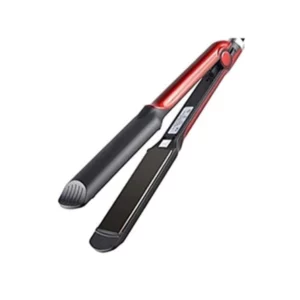
- The Kemei KM-531 Hair Straightener uses ceramic-coated plates for even heat distribution.
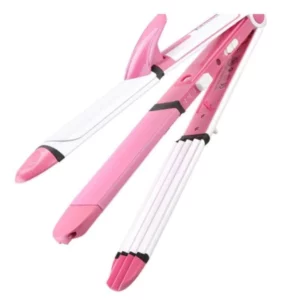
- The Kemei KM-1291 3-in-1 Hair Straightener also features ceramic plates across its styling heads.
Who should choose ceramic?
- Women buying hair straighteners (ceramic plates are standard for a reason)
- Professional barbers who need cool-running clipper blades
- Anyone doing long grooming sessions where heat buildup is a concern
Comparison Table
| Feature | Carbon Steel | Stainless Steel | Ceramic |
|---|---|---|---|
| Sharpness | Highest | High | High |
| Edge retention | Excellent | Good | Excellent |
| Rust resistance | Poor (needs oiling) | Excellent | Excellent |
| Heat resistance | Low | Low | High (stays cool) |
| Fragility | Moderate | Low (tough) | High (can chip) |
| Maintenance | High (oil after use) | Low (rinse and dry) | Low |
| Cost | Medium | Low to medium | Medium to high |
| Common in | Pro clippers | Most trimmers, kits | Straighteners, pro clippers |
Which Blade Type Matters for Your Device?
For Trimmers and Clippers
If you are a barber or cut hair daily, carbon steel gives you the sharpest cut. Accept the maintenance.
If you groom at home once or twice a week, stainless steel is the practical choice. No fuss, no rust.
If you do long sessions and heat buildup is a problem, look for a clipper with a ceramic moving blade paired with a steel guide.
For Hair Straighteners
Ceramic is the standard. It distributes heat evenly, reduces damage, and glides smoothly. Both the KM-531 and KM-1291 use ceramic plates.
Avoid straighteners with bare metal plates. They create hot spots and can burn sections of hair.
How to Maintain Each Blade Type
Carbon steel: Wipe dry after every use. Apply a drop of blade oil to the cutting edge. Store in a dry place. Never leave it in the bathroom overnight.
Stainless steel: Rinse under water if the device is waterproof. Dry with a cloth. Apply blade oil every few weeks to keep things smooth.
Ceramic: Wipe with a dry cloth. Do not drop the device. For straightener plates, clean with a damp cloth when cool to remove product buildup.
Frequently Asked Questions
Which blade material is sharpest?
Carbon steel holds the sharpest edge. It is harder than stainless steel, which allows a finer cutting edge. Professional barbers choose carbon steel blades for this reason.
Do stainless steel blades rust?
Stainless steel resists rust, but it is not completely immune. Leaving a stainless blade soaking in water for extended periods or storing it in a constantly damp environment can cause surface corrosion. Normal bathroom use is fine.
Why do hair straighteners use ceramic plates?
Ceramic distributes heat evenly across the plate surface. This prevents hot spots that can burn or damage hair. Ceramic also creates a smoother glide, reducing friction and pulling.
Can I use blade oil on ceramic blades?
For ceramic blades on trimmers, a light application of blade oil helps. For ceramic straightener plates, do not use oil. Clean them with a damp cloth instead.
How often should I replace trimmer blades?
With proper maintenance, carbon steel blades last 6 to 12 months of daily use. Stainless steel blades last a similar period for home users. Ceramic blades can last longer but need careful handling to avoid chips.
Last reviewed: May 2026. Curated by the Kemeishop.pk team.


